October 5, 2026
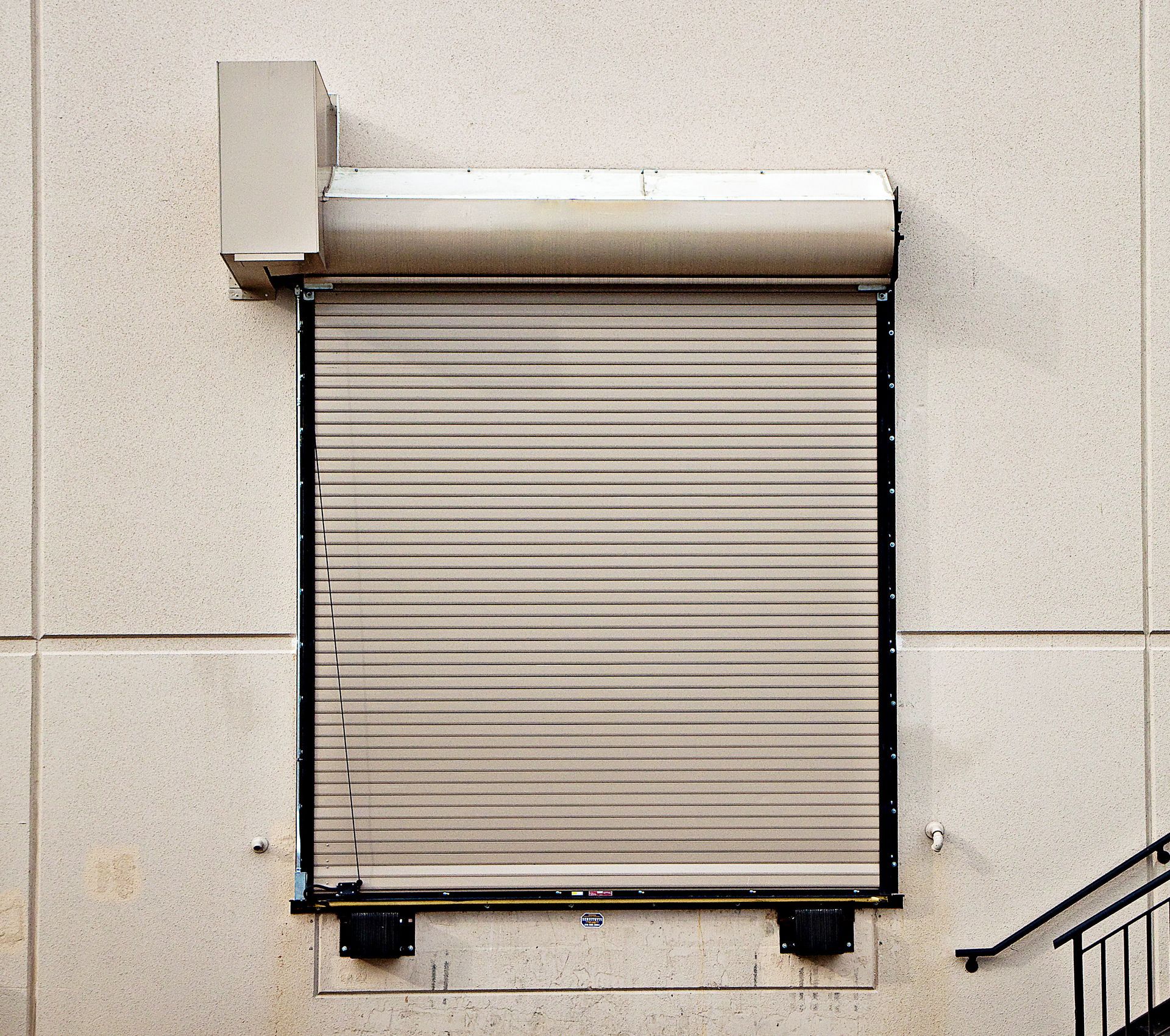
Securing a commercial building requires dependable entry points that keep inventory safe and operations running smoothly. Commercial roll up doors serve as a primary physical barrier against unauthorized entry and harsh weather. When an overhead door suffers from mechanical issues or worn locks, your entire facility becomes vulnerable to intrusion and costly delays. Having experienced technicians evaluate and repair your equipment protects your property while ensuring reliable daily performance.
Taking early action to correct physical weaknesses prevents unexpected security breaches and costly business disruptions for your company. Protecting your perimeter gives your management team complete confidence during non-business hours. Understanding common door vulnerabilities allows you to make informed decisions regarding maintenance and structural upgrades.
Protecting Your Business Premises
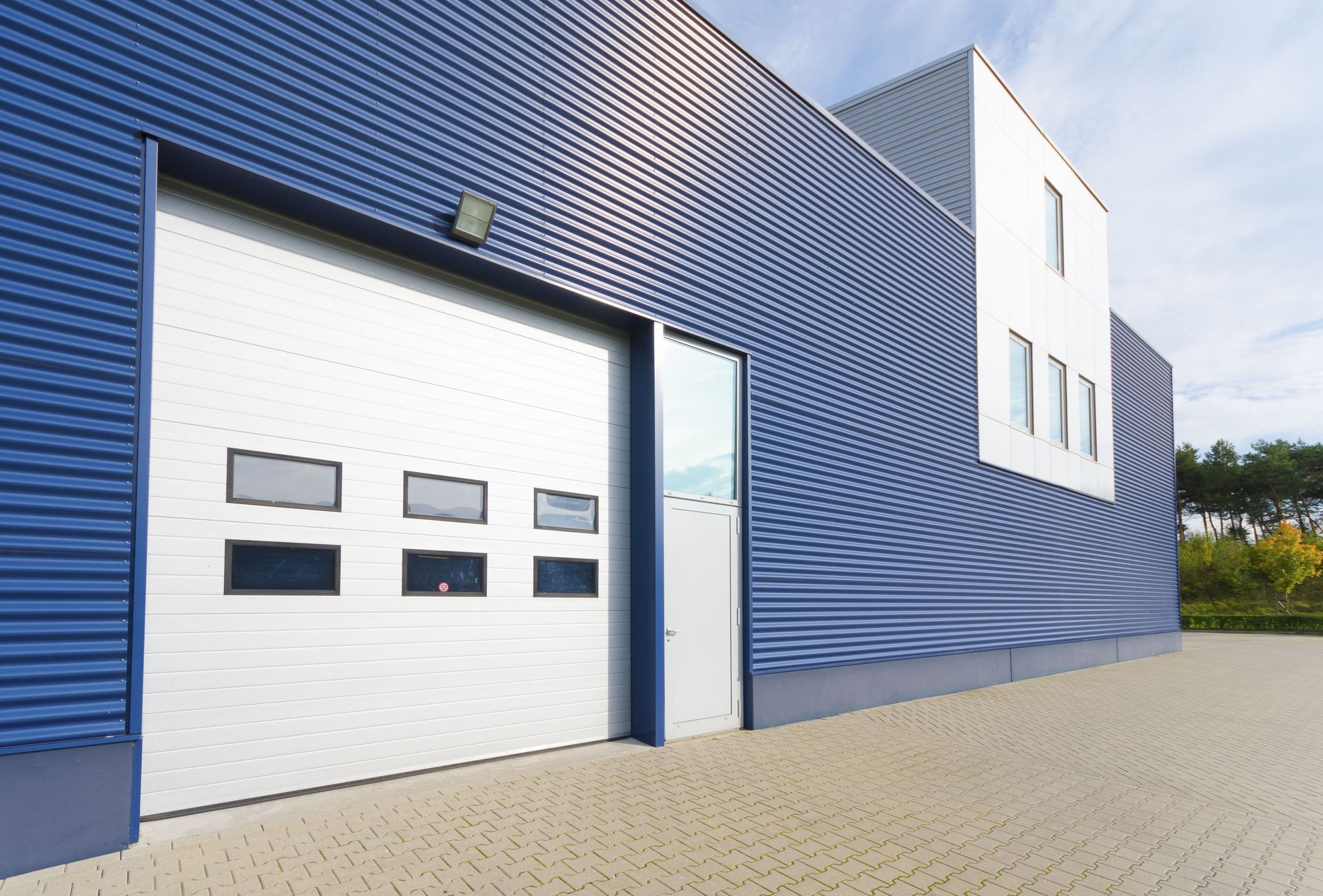
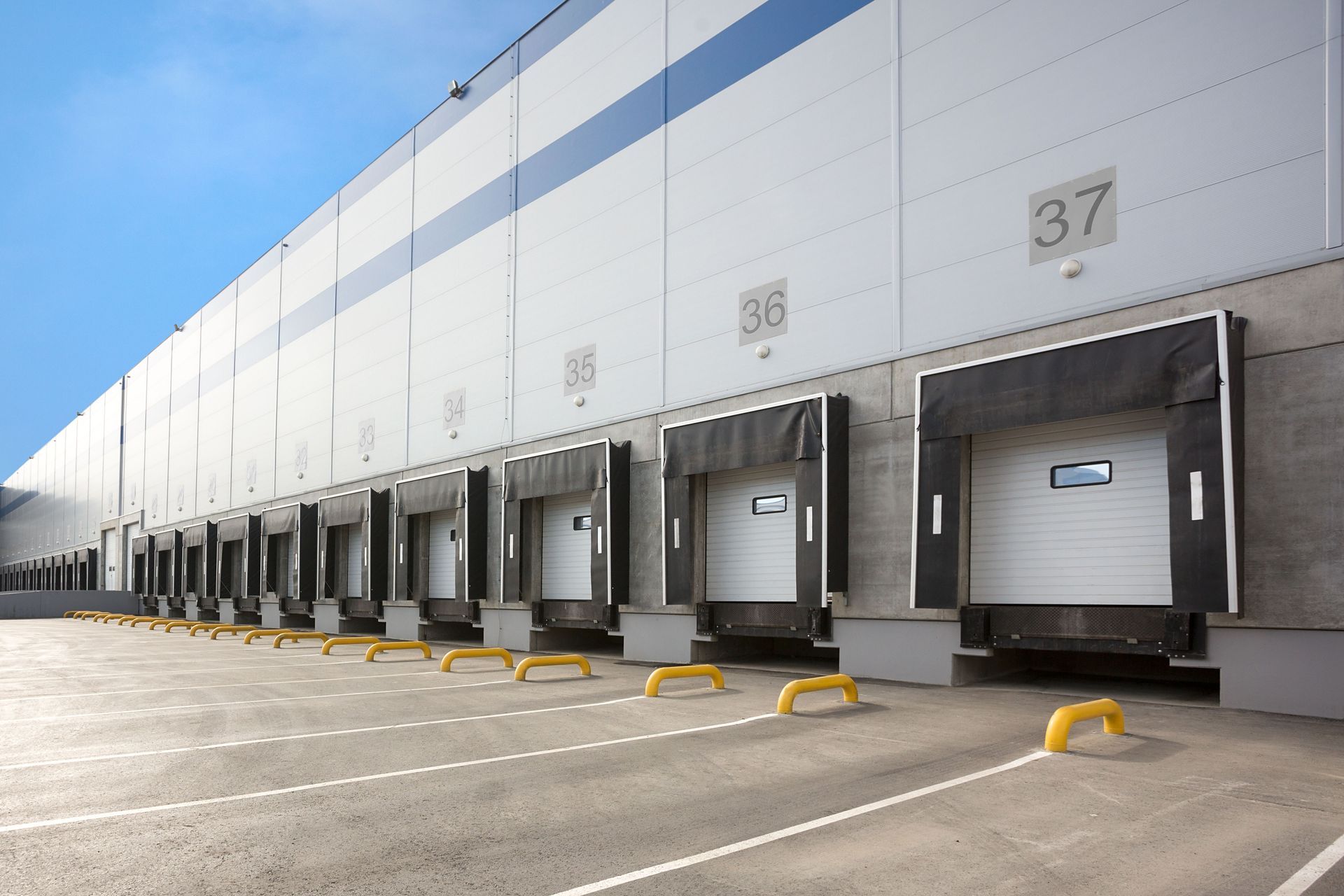
Overhead entryways act as the primary defense for warehouses and retail loading docks. Sturdy commercial roll up doors shield valuable inventory and raw stock from unwanted intruders. When these doors operate smoothly, daily shipping and receiving activities run without interruption.
Ensuring that your exterior doors fit tightly within their frames keeps your building secure after business hours. Weak locking assemblies or misaligned tracks allow opportunistic intruders to force panels open. Investing in strong door structures helps maintain overall facility security and peace of mind.
Identifying Common Vulnerabilities
Physical damage from forklift impacts and rusted guide tracks represent frequent safety hazards. Older doors created from lightweight gauge metal fail to provide adequate resistance against forced entry tools. Over time, constant daily cycling wears down internal springs, causing doors to rest unevenly along the floor line.
Leaving small gaps beneath a closed door invites unauthorized access and pest intrusion. Worn bottom seals allow rain moisture to enter, which damages surrounding concrete and internal steel components. Identifying these physical gaps early allows you to arrange prompt technical repairs with experienced door technicians. Timely repairs protect your building interior from unwanted pest intrusion and water damage.
Evaluating Commercial Roll Up Doors
Structural flaws in entry panels significantly reduce their ability to withstand physical force. Lightweight sheet metal panels can bend under heavy pressure, creating entry gaps for intruders. Upgrading to heavy-duty commercial roll up doors provides reinforced steel slats that resist impact and tampering.
Ensuring your building features sturdy curtain materials protects your inventory from forced entry attempts. Reinforced bottom bars and heavy guide channels add necessary rigidity to the overall assembly. Strong physical construction deters intruders and keeps your storage areas fully protected throughout the entire year. High-grade steel curtains maintain their structural shape through heavy daily usage.
Addressing Mechanical Failures
Failing spring assemblies and worn roller bearings pose serious operational risks. When internal tension springs lose strength, commercial roll up doors become heavy and difficult to lift safely. Automated door operators that struggle against worn springs can overheat or lock up unexpectedly.
According to Mordor Intelligence, automatic door variants are projected to expand at a 6.52% CAGR through 2031. As automated entryways become more common across industrial facilities, maintaining smooth mechanical operation is vital. Routine lubrication and cable adjustments prevent sudden mechanical breakdowns and keep your facility secure.
Preventing Environmental Damage
Environmental exposure to coastal humidity and extreme heat degrades metal door components over time. Rust buildup along guide tracks creates friction, preventing locks from engaging properly when closed. Extreme temperature shifts cause metal panels to expand, which misaligns side tracks and weakens seal connections.
Applying weather-resistant coatings and heavy weatherstripping protects metal surfaces from moisture damage. Weatherproof seals keep water out of your facility, protecting internal electronics and stored goods. Proper weather protection extends the working lifespan of your entryway equipment significantly. Sealing exterior gaps prevents drafts and keeps indoor work environments comfortable for your staff.
Inspecting Your Facility Regularly
Routine visual checks help facility managers identify minor mechanical flaws before complete door failure occurs. Unusual grinding noises during operation indicate worn bearings or dry guide tracks. Slow opening speeds or jerking movements along side rails suggest tension imbalances inside spring assemblies.
Inspecting bottom locking bars and slide bolts ensures that security mechanisms engage completely. Finding loose mounting brackets or missing fasteners requires immediate technical attention to prevent track separation. Catching minor wear early keeps maintenance costs low and security high.
Training Staff for Safety
Educating employees on proper door operation prevents accidental damage and maintains daily security standards. Staff members should verify that roll up curtains close completely before leaving loading docks unattended. Teaching workers to report unusual noises or sticking panels ensures prompt technical service.
Establishing clear operational guidelines reduces equipment damage caused by improper manual lifting or vehicle bumps. Employees who understand basic security protocols help protect the building perimeter. Staff awareness serves as a crucial line of defense for your daily operations.
Maintaining Complete Documentation
Keeping detailed records of service visits and routine inspections helps track equipment health over time. Service logs allow facility managers to predict when aging springs or cables require replacement. Organized records also assist during insurance reviews and safety audits.
Documenting past repairs helps technicians diagnose recurring mechanical issues quickly during maintenance visits. Tracking equipment history ensures that all safety checks occur on schedule. Detailed records support efficient building management and steady operational uptime across all your facility doors. Knowing your equipment's service history makes planning future upgrades straightforward.
Upgrading Your Door Access Control
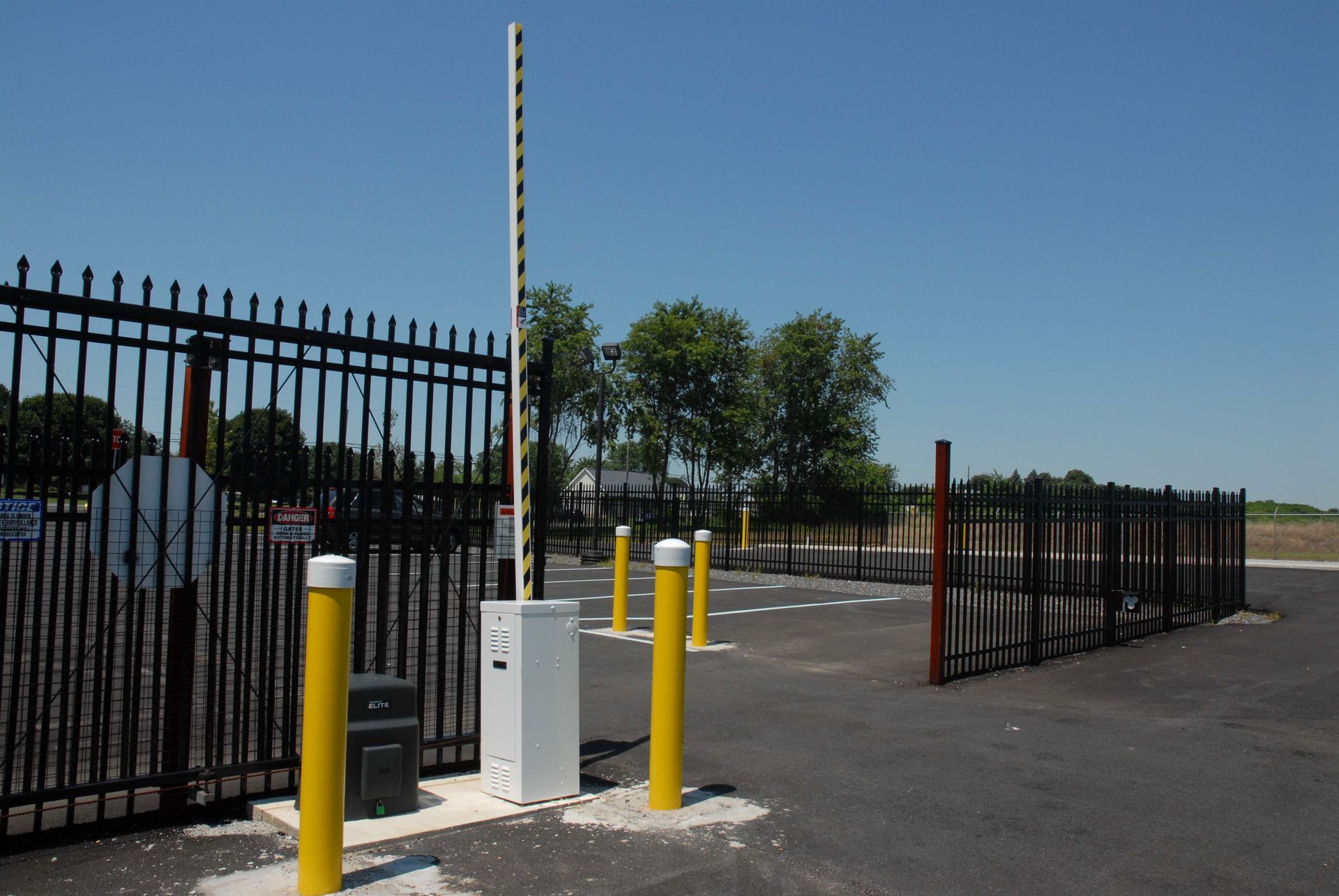
Automated slide locks and heavy solenoid bolts provide reliable protection for commercial roll up doors. These locking systems engage automatically whenever the door reaches its fully closed position, eliminating human error.
Automatic locks prevent intruders from prying up bottom rails from the outside.
Integrating automated locking hardware with your central security setup ensures that entryways lock securely at the end of each work shift. Reliable locking hardware deters break-in attempts and protects high-value inventory.
Upgrading your locking hardware elevates overall building safety.
Integrating Alarm Monitoring
Connecting your overhead doors to perimeter alarm systems provides immediate notifications during unauthorized entry attempts. Magnetic contact sensors detect when a door curtain lifts without proper authorization. Instant alerts allow security personnel to respond quickly to potential break-ins.
Alarm monitoring deters intruders and reduces response times during evening security incidents. Sensor systems track door activity continuously, giving management complete visibility over facility access. Layering physical doors with electronic alarms provides comprehensive perimeter protection.
Adding Keycard Entry Options
Replacing traditional physical keys with keycard readers or numeric keypads streamlines daily employee access. Keycard systems allow managers to grant or revoke entry permissions for individual workers instantly. Electronic access tracking creates an accurate audit trail of who enters the building and when.
Keypad access eliminates concerns regarding lost or copied physical keys. Authorized workers enter receiving areas smoothly while unauthorized visitors remain outside. Keycard technology improves operational convenience while maintaining strict access control across your facility.
Protecting your business requires dependable physical barriers and reliable locking hardware. Weak entryways expose your inventory and equipment to unnecessary physical risks. Upgrading to heavy-duty commercial roll up doors and scheduling regular technical service keeps your facility safe and efficient.
When you need dependable service or complete door replacement for your commercial building, working with local experts ensures excellent results. The team at South Coast Industrial Door, Inc provides high-grade products and skilled technical support for your business. To discuss your security needs or schedule a professional inspection, contact South Coast Industrial Door, Inc today.